
Introduction
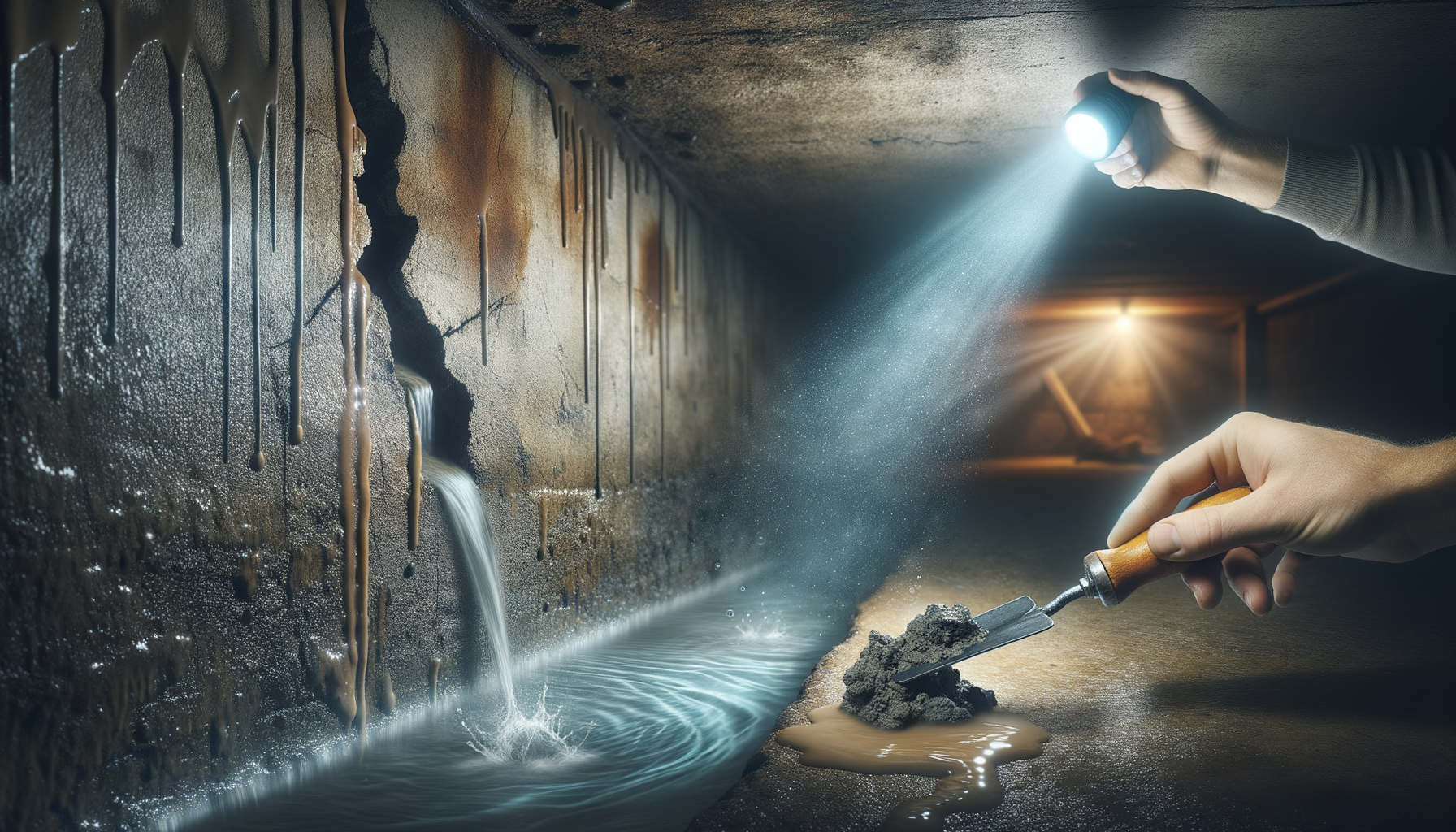
Have you ever seen a puddle of water on your basement floor when it rains? That’s a basement leak, and it can cause big problems if you don’t fix it fast. This guide will help you stop the leaks by showing you what causes them, how to find them, and what you can do to fix them.
Understanding Basement Leaks
Why Basement Leaks Happen
Before you can fix a basement leak, you need to know what causes it:
- Water Pressure: Water in the soil around your house can push through cracks in the basement walls.
- Cracks in the Foundation: Over time, the walls can crack and let water in.
- Bad Drainage: If water isn’t draining away from your house, it can pool and leak into the basement.
Signs of a Basement Leak
Finding a leak early can save you time and money. Look for these signs:
- Water Stains: Look for marks or discolorations on walls, floors, and ceilings.
- Musty Smells: Damp, musty odors can be a sign of water problems.
- Wet Walls: Touch the walls to see if they feel damp.
Diagnosing the Leak
Finding the Source
To fix the leak, you need to find where the water is coming from:
- Look Inside: Check for cracks or water stains on the walls and floor.
- Check Outside: Walk around your house and look for cracks in the foundation or pools of water.
- Use Moisture Meters: These tools can help you find hidden moisture in your walls and floors.
Tools for Finding Leaks
These tools can help you find leaks:
- Flashlight: Helps you see in dark areas and find small cracks.
- Moisture Meter: Measures how much moisture is in your walls and floors.
- Inspection Mirror: Helps you see places that are hard to reach.
Immediate Actions to Take
Quick Steps to Reduce Damage
If you find a leak, act fast to prevent more damage:
- Move Your Stuff: Move boxes and furniture to dry areas.
- Use a Wet/Dry Vacuum: Clean up standing water right away.
- Run a Dehumidifier: This helps reduce moisture and stop mold from growing.
Safety First
When dealing with water, keep yourself safe:
- Turn Off the Power: Water and electricity don’t mix. Turn off the power to the affected area.
- Wear Protection: Use gloves and boots to protect yourself from dirty water.
Long-Term Solutions
How to Waterproof Your Basement
For a long-term fix, you need to waterproof your basement:
- Inside Repairs: Use sealants or epoxy to fill cracks from the inside.
- Outside Repairs: You might need to dig around the foundation and put a waterproof barrier on the outside.
Improving Drainage
Good drainage can prevent water from getting into your basement:
- Install a Sump Pump: This helps remove water that collects around your basement.
- Clean Gutters and Downspouts: Make sure water is flowing away from your house.
- Extend Downspouts: Direct them so water doesn’t pool near your foundation.
DIY Fixes
When to Try Fixing it Yourself
You can try fixing small leaks on your own if:
- The Crack is Small: Small cracks are easier to fix.
- You Need a Temporary Fix: These can buy you time until a professional can help.
How to Seal a Small Leak
Follow these steps to fix a small leak:
- Clean the Crack: Remove dirt and debris.
- Apply Hydraulic Cement: This material sets quickly and seals cracks well.
- Keep an Eye on It: Check back to make sure the leak is really fixed.
When to Call in Professionals
Knowing When You Need Help
Sometimes, it’s best to call a professional:
- Persistent Leaks: If your fixes aren’t working.
- Structural Problems: If the foundation is really damaged.
- Big Damage: If there’s a lot of water or mold, you might need major repairs.
Picking the Right Service
Choose a good waterproofing service by:
- Reading Reviews: Look online and ask friends and neighbors for recommendations.
- Getting Quotes: Compare prices and services.
- Checking Credentials: Make sure they have the right licenses and insurance.
Preventing Future Leaks
Regular Maintenance
Keep your basement dry with regular checks:
- Inspect Regularly: Keep an eye out for cracks and leaks.
- Check Grading: Make sure the ground around your house slopes away so water doesn’t pool.
- Maintain Drainage Systems: Keep your gutters and downspouts clean and in good repair.
Conclusion
Fixing basement leaks quickly can prevent major damage to your home. By understanding the causes, finding the source, taking quick action, and knowing when to call for help, you can keep your basement dry and safe.
Call to Action
Have you dealt with basement leaks before? Share your tips and experiences in the comments! For more home maintenance advice, check out our other articles or sign up for our newsletter. Stay informed to keep your basement dry and your home safe.
Leave a Reply