
Introduction
What’s the Big Deal?
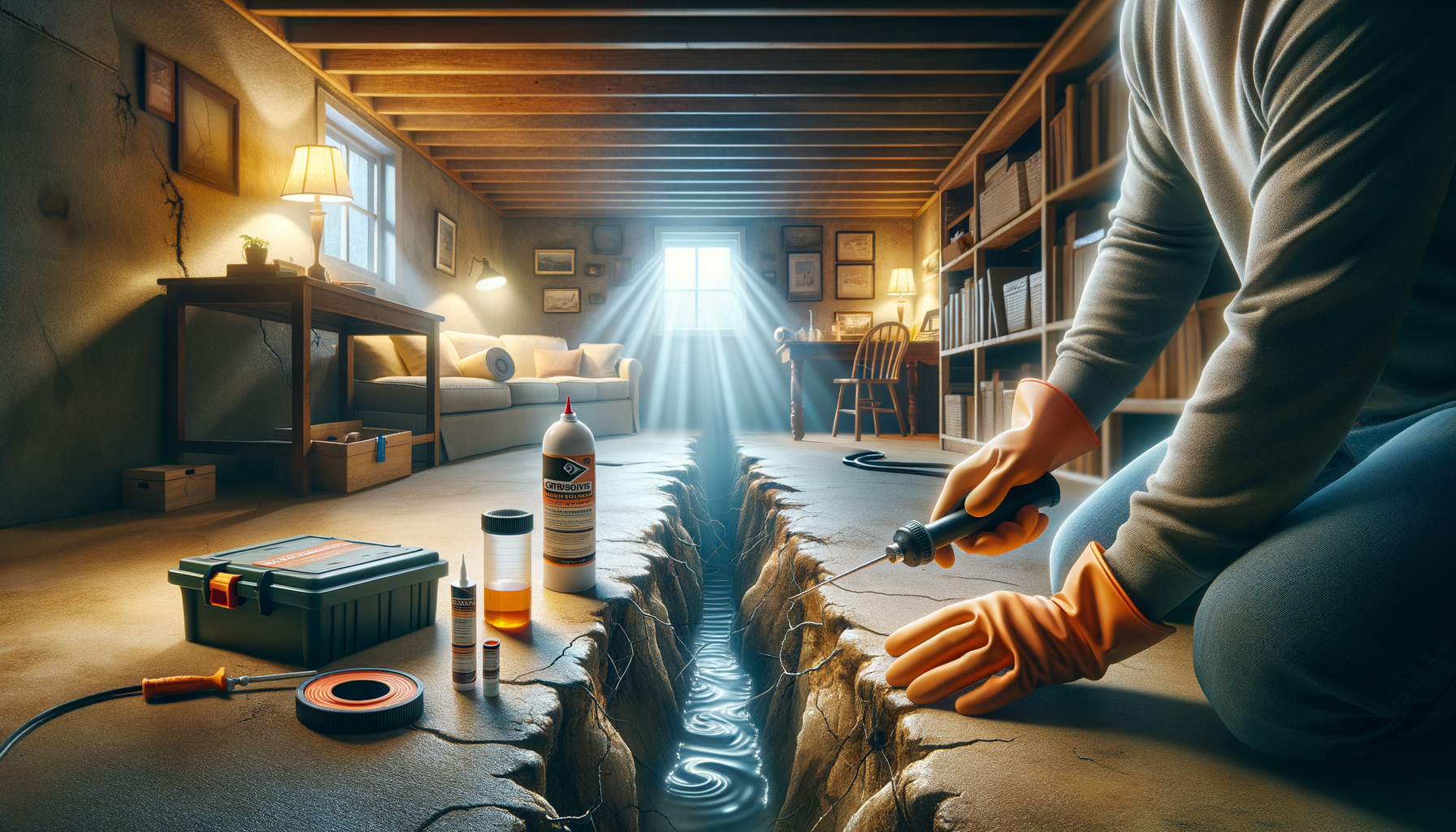
Picture this: You’re clearing out some old boxes in the basement and suddenly see cracks on the walls. It’s easy to feel worried, but you’re not the only one. Many people deal with this problem. Knowing how to fix basement cracks is really important for anyone dealing with foundation issues.
Why a Strong Basement Matters
A basement without cracks keeps your whole house safe. If you ignore cracks, water can get in, mold can grow, and the house might even get damaged. Fixing cracks now can save you money and give you peace of mind.
What You’ll Learn
This guide helps you understand how to fix basement cracks. Whether you want to do it yourself or hire a pro, we’ve got tips for you.
What’s Going On with These Cracks?
Types of Basement Cracks
- Horizontal Cracks: These ones come from pressure outside, like soil or water pushing against the wall.
- Vertical Cracks: Often because the house settled a bit; usually not too serious.
- Diagonal Cracks: These can show uneven settling and may need more attention.
Why Do Cracks Happen?
- Soil Settles: The ground under your house moves and causes cracks.
- Water Pressure: Water in the soil pushes on the walls.
- Concrete Shrinks: As concrete dries, it can crack.
- Bad Building: Poor construction can also cause cracks.
Why You Shouldn’t Ignore Cracks
- Water Leaks: Cracks let water in, making your basement damp.
- Damage to Your House: Small cracks can grow and harm your home.
- Mold and Mildew: Moisture from leaks can lead to mold, which is unhealthy.
How Bad Is the Crack?
Small vs. Big Cracks
Knowing the difference is key. Small cracks are less than 1/8 inch wide and don’t change. Big cracks are larger and might need a professional to fix.
How to Check Cracks Yourself
- Measure the crack with a ruler.
- Mark the ends and see if it grows over time.
- Look for other signs like slanted floors or doors that stick.
When to Call a Pro
If cracks are getting bigger, have an offset, or you see water leaking, call a professional. These signs mean the problem is serious.
Fixing Cracks Yourself
Getting Ready
Preparing the area is the first step.
- Clean Up: Get rid of dirt and loose concrete.
- Tools You Need:
- Crack injection kits
- Epoxy or polyurethane sealants
- Concrete patch
Step-by-Step Repair
- Inject Epoxy or Polyurethane for Small Cracks: These seal minor cracks and keep water out.
- Use Hydraulic Cement for Bigger Cracks: This type of cement expands as it dries and is good for larger cracks.
Safety Tips
- Wear Gear: Always use gloves, goggles, and a mask.
- Ventilation: Make sure the area is well-ventilated and follow instructions for the materials you use.
Hiring a Pro
Finding a Good Contractor
- How to Search: Look at reviews, ask for references, and check their credentials.
- Questions to Ask: Ask about their experience, the methods they use, and if they offer a warranty.
Advanced Repair Methods
- Carbon Fiber Strips: These make walls stronger.
- Wall Anchors: These can fix and straighten bowed walls.
- Waterproofing: Keeps your basement dry to prevent future problems.
How Much Will It Cost?
- Average Cost: Expect to pay between $500 and $3,000.
- What Affects the Price: The extent of the damage, the method used, and your location.
Tips to Prevent Future Cracks
Manage Soil and Water
- Grade the Ground: Make sure the ground slopes away from your foundation.
- Gutters and Downspouts: Direct water away from your home.
- French Drains: These help manage groundwater.
Keep Your Basement Dry
- Use Dehumidifiers: Keep moisture in check.
- Regular Checks: Look for new cracks or signs of wear.
Building it Right
- Reinforcement Bars: Use them in new constructions for extra strength.
- Proper Concrete Curing: This can prevent shrinkage cracks.
Real-Life Examples
Success Stories
- DIY Wins: Stories of people who fixed their own basements.
- Professional Help: Examples of why hiring a pro made a difference.
Photos and Lessons
- Before and After Pics: Show how repairs make a big difference.
- Common Mistakes: Help others avoid errors.
- Maintenance Tips: Keep your basement in great shape.
Conclusion
Recap
Fixing basement cracks is important for keeping your house strong. Whether you do it yourself or hire someone, taking action now is crucial.
Take Action Now
Check your basement and fix any cracks you find to avoid bigger problems later.
Extra Help
Check out these links for more info and help:
- [DIY Guide Link]
- [Certified Structural Engineers Directory]
By taking the right steps, you can keep your home safe and dry.
Leave a Reply